
Top Effective Organic Fertilizers for Grass: Nurture Your Lawn Naturally
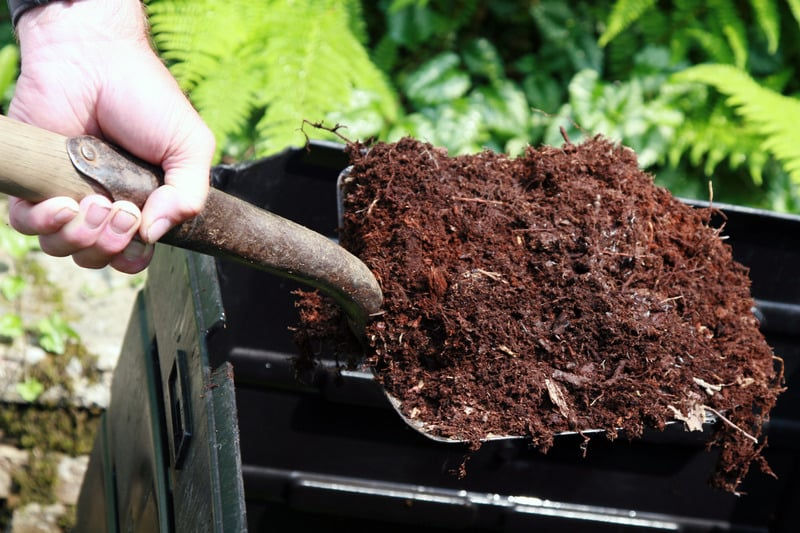
Creating a lush, green lawn that thrives without harsh chemicals is a rewarding goal. Organic fertilizers offer a natural way to feed your grass, improve soil health, and support a sustainable environment. If you want to enjoy a vibrant lawn while caring for the earth, choosing the right organic fertilizer is key. Let’s explore some of the top effective organic fertilizers for grass and how they can transform your lawn care routine.
Why Choose Effective Organic Fertilizers for Grass?
Organic fertilizers are derived from natural sources such as plant matter, animal byproducts, and minerals. Unlike synthetic fertilizers, they release nutrients slowly, improving soil structure and encouraging beneficial microbial activity. This slow release means your lawn receives steady nourishment over time, reducing the risk of nutrient runoff and environmental damage.
Using organic fertilizers also helps build long-term soil fertility. Healthy soil retains moisture better and supports stronger root systems, which means your grass can withstand drought and resist pests more effectively. Plus, organic options are safer for children, pets, and wildlife, making your outdoor space a healthier place for everyone.
Here are some common types of organic fertilizers that work wonders for lawns:
Compost: Rich in organic matter, compost improves soil texture and provides a balanced mix of nutrients.
Manure: Well-aged manure adds nitrogen and other essential nutrients, but it must be composted to avoid burning grass.
Bone Meal: A great source of phosphorus, bone meal supports root development and overall lawn strength.
Seaweed Extract: Packed with trace minerals and growth hormones, seaweed boosts plant resilience.
Fish Emulsion: A liquid fertilizer high in nitrogen, fish emulsion promotes lush, green growth.
Exploring the Best Organic Fertilizer for Lawns
When selecting the best organic fertilizer for lawns, consider your soil type, grass species, and specific lawn needs. For example, nitrogen is crucial for leafy growth, phosphorus supports roots, and potassium enhances stress tolerance. A balanced fertilizer that addresses these nutrients will give your lawn the best chance to flourish.
One of the most effective approaches is to use a combination of organic fertilizers. For instance, applying compost in the fall and supplementing with fish emulsion in the spring can provide a steady nutrient supply throughout the growing season. Additionally, incorporating seaweed extract can help your lawn recover from stress caused by heat or drought.
If you want to explore options, you can find the best organic fertilizer for lawns that fits your needs. These products are designed to nourish your grass naturally and sustainably.
Remember, organic fertilizers work best when applied correctly:
Test your soil to understand nutrient levels and pH.
Follow recommended application rates to avoid overfeeding.
Water your lawn after fertilizing to help nutrients soak into the soil.
Apply during active growth periods for maximum benefit.
Is Organic Fertilizer Better for Lawns?
You might wonder if organic fertilizers truly outperform synthetic ones. The answer depends on your priorities and lawn goals. Organic fertilizers offer several advantages that synthetic products often lack:
Improved soil health: Organic matter feeds soil microbes, enhancing nutrient cycling and soil structure.
Reduced environmental impact: Slow nutrient release minimizes runoff and pollution.
Long-lasting effects: Nutrients are available over time, supporting sustained growth.
Safety: Organic fertilizers are less likely to cause chemical burns or harm beneficial insects.
However, organic fertilizers may release nutrients more slowly, so they might not provide the immediate greening effect that synthetic fertilizers offer. Patience is key when transitioning to organic lawn care, but the long-term benefits are worth it.
By choosing organic fertilizers, you’re investing in a healthier lawn ecosystem. Over time, your soil becomes richer and more resilient, reducing the need for frequent fertilization and intensive maintenance.
How to Apply Organic Fertilizers for Best Results
Applying organic fertilizers correctly ensures your lawn gets the most out of every treatment. Here are some practical tips to guide you:
Timing: Apply fertilizers during the growing season, typically spring and fall. Avoid fertilizing during extreme heat or drought.
Spread evenly: Use a broadcast spreader or hand spreader to distribute fertilizer uniformly. Uneven application can cause patchy growth.
Water in: After applying fertilizer, water your lawn lightly to help nutrients penetrate the soil.
Avoid over-application: More is not always better. Excess fertilizer can harm your lawn and the environment.
Combine with aeration: Aerating your lawn before fertilizing improves nutrient absorption and root growth.
For liquid fertilizers like fish emulsion or seaweed extract, dilute according to package instructions and apply with a sprayer. These are excellent for quick nutrient boosts and can be used more frequently than granular options.
Supporting Your Lawn Beyond Fertilization
Fertilizer is just one part of a healthy lawn care routine. To maximize the benefits of organic fertilizers, consider these additional practices:
Mow properly: Keep your grass at the recommended height for your species. Taller grass shades soil, reduces weeds, and conserves moisture.
Water wisely: Deep, infrequent watering encourages deep roots. Early morning watering reduces evaporation.
Control weeds naturally: Hand-pull weeds or use organic herbicides to avoid chemical damage.
Overseed thin areas: Fill in bare spots with grass seed suited to your climate and soil.
Maintain soil pH: Test and adjust soil pH to keep nutrients available to your grass.
By combining these strategies with organic fertilization, you create a lawn that is not only beautiful but also resilient and environmentally friendly.
Embrace a Greener Lawn Care Journey
Switching to organic fertilizers is a wonderful step toward a healthier lawn and a healthier planet. With patience and care, you’ll see your grass grow stronger, greener, and more vibrant. Remember, the key is consistency and understanding your lawn’s unique needs.
Feel free to explore the best organic fertilizer for lawns to find products that align with your goals. Your lawn will thank you with its natural beauty and vitality.


